Who is liable if a garage build damages your property in Ontario
By Elena Whitfield · Updated 2026-07-01
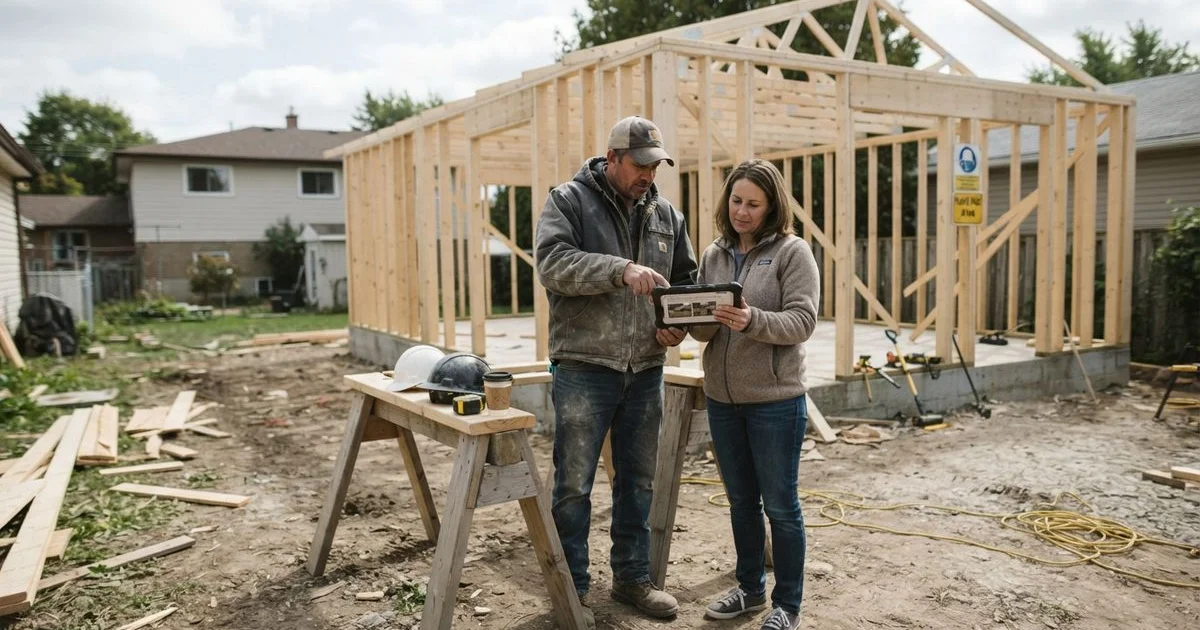
This is general information about how liability commonly works on Ontario residential construction projects, not legal advice. If a dispute over damage arises, a lawyer or your insurer can advise on your specific situation.
Garage construction involves excavation, heavy equipment, and work close to property lines, all of which carry some risk of unintended damage: a cracked driveway, a damaged fence, settling that affects a neighbouring foundation. Knowing who typically bears responsibility before the work starts is far easier than sorting it out after the fact.
The general rule
In most cases, a contractor is responsible for damage that results from their work or negligence during a project they were hired to complete. This is the reason reputable builders carry commercial general liability insurance, and it is also why confirming that coverage exists, and is current, before signing a contract matters more than most homeowners realize.
Where it gets less clear-cut is when the cause of damage is disputed. A cracked foundation wall discovered after excavation could be new damage from the build, or it could be pre-existing and simply noticed for the first time once work started nearby. This is exactly the kind of dispute that documentation prevents. Getting the zoning and permit stage right in the first place, covered in our guide to garage permits and zoning rules in Ontario, also lowers the odds of a dispute like this ever coming up.
Before work starts: what protects you
| Step | Why it matters |
|---|---|
| Confirm the builder’s liability insurance is current | Establishes a real source of coverage if something goes wrong |
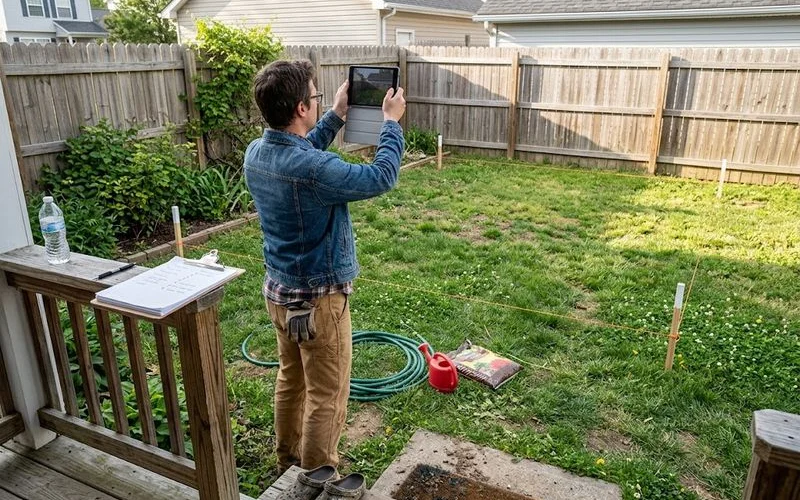
| Photograph your property and any shared boundaries | Creates a baseline record before work begins |
| Note existing cracks, fence condition, and driveway state | Prevents disputes over what was pre-existing |
| Call your home insurer to ask about coverage during construction | Some policies exclude damage tied to work you commissioned |
| Get the contract in writing, including who handles permits | Clarifies responsibility if something falls through the cracks |
Damage to a neighbour’s property
If construction on your lot damages a neighbour’s fence, driveway, or foundation, the builder’s liability insurance is typically the primary source of coverage, since they performed the work. That said, you commissioned the project, so a neighbour without a direct relationship to the builder may come to you first if there is any ambiguity about who was responsible or if the builder is uninsured. This is one more reason to verify coverage before signing anything, and to loop in your insurer early if a shared boundary or a tight lot is involved.
What review complaints tell us about this
Among the recurring themes in client feedback for Ontario garage builders, disputes over responsibility for incomplete work or unmet promises show up often enough to be worth planning around. Most of these disputes trace back to unclear expectations set at the contract stage rather than genuine bad faith, which is why a detailed written scope and a documented starting condition of the property matter as much as the builder’s skill.
If damage happens anyway
Document it immediately with photos and dates, notify the builder in writing, and contact your home insurer to understand your options even if you expect the builder’s coverage to apply. Keeping a paper trail from the first sign of an issue makes any later claim, whether through the builder’s insurer or your own, considerably easier to resolve.
A note on subcontractors
Many garage builds involve subcontracted trades: excavation, concrete, electrical. Ask your main contractor whether subcontractors carry their own liability insurance or whether the general contractor’s policy covers work performed by subs on the project. This matters because a gap in coverage between the general contractor and a subcontractor is exactly the kind of thing that surfaces only after something has already gone wrong, when it is far harder to sort out.
Talking to your neighbours before work starts
If your build is close to a shared property line, a brief conversation with your neighbour before construction begins, letting them know the timeline and inviting them to note any existing concerns about the shared fence or boundary, can prevent a dispute from escalating later. It also gives you a chance to document the boundary condition together, which is useful if a disagreement about pre-existing versus new damage comes up down the line.
For Ontario builders ranked on real client feedback across every project type, browse the full directory from the homepage. Our methodology page explains how listings are scored.
FAQ
- Is a builder automatically responsible for damage caused during construction?
- Generally, yes, if the damage results from the builder's work or negligence, which is why contractors carry liability insurance. But responsibility can get contested if the cause is unclear, which is why documenting the site before work starts matters.
- Does my homeowner's insurance cover damage during a garage build?
- It depends on your policy and the cause of the damage. Some homeowner policies exclude damage tied to construction work you commissioned, so it is worth calling your insurer before the project starts to confirm what is and is not covered.
- What if the damage affects a neighbour's property?
- The builder's liability insurance is typically the first line of coverage, since the contract for the work is between you and the builder, not your neighbour. Your neighbour may also have recourse against you directly if the builder is uninsured or underinsured, which is part of why confirming coverage matters before work begins.
- Should I get anything in writing before construction starts?
- Yes. Photos or a written record of the condition of your property, your neighbour's fence line, and any existing cracks or damage, plus proof of the builder's current liability insurance, are both worth having before the first day of work.